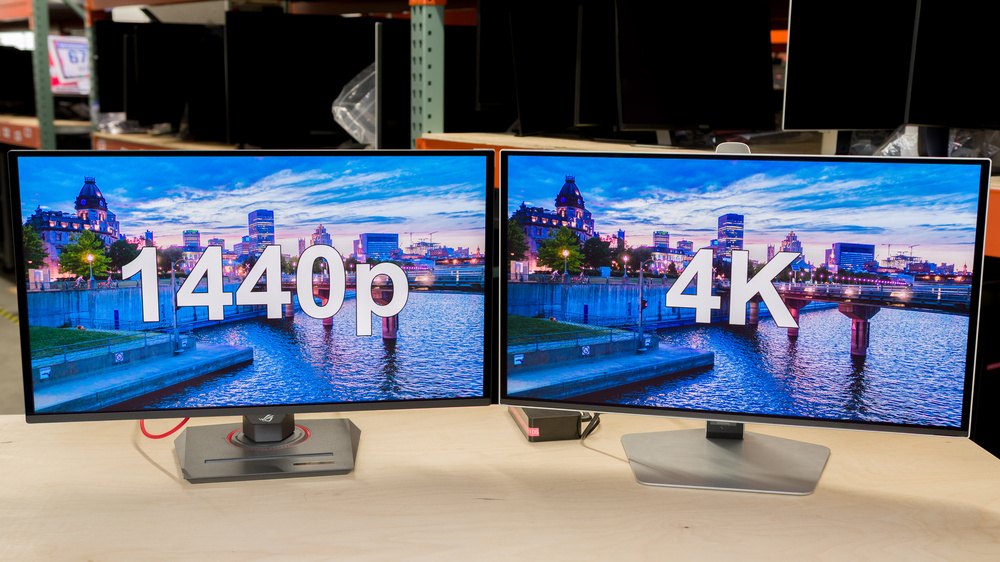
4K vs 1440p for Gamers: Visuals or Performance Split?
In the dynamic world of PC gaming, choosing the right display resolution is a critical decision that profoundly impacts your experience. Unlike many hardware components where "bigger is always better," display resolution presents a unique dilemma. Gamers often find themselves at a crossroads, pondering the age-old question: should they prioritize the breathtaking visual fidelity of 4K, or the snappy, high-performance gameplay offered by 1440p? This isn't a simple choice; it's a strategic alignment with your gaming preferences, hardware capabilities, and budget. At its core, the debate of 4K vs 1440p for gamers highlights a fundamental split between two distinct philosophies. One camp champions the immersive, hyper-detailed world that 4K monitors unlock, transforming virtual landscapes into cinematic masterpieces. The other staunchly advocates for the responsiveness and fluidity that 1440p enables, crucial for competitive play and consistently high frame rates. Understanding the technical nuances and practical implications of each will empower you to make an informed decision for your ultimate gaming setup.Understanding the Core Difference: Pixels and Resolution
Before diving into the gaming experience, it's essential to grasp what resolution truly means. Resolution refers to the total number of individual pixels that make up an image on a digital display, typically expressed as a width x height measurement. The more pixels packed into a screen, the finer the detail and the sharper the image. Let's break down the two contenders:- 1440p (Quad High Definition - QHD): This resolution measures 2560 x 1440 pixels on a standard 16:9 aspect ratio monitor. It contains approximately 3.7 million pixels. There's also Wide Quad High Definition (WQHD) at 3440 x 1440 for ultrawide displays, but QHD is the primary standard for general gaming monitors.
- 4K (Ultra High Definition - UHD): The most common 4K standard for consumer displays and gaming is 3840 x 2160 pixels. This resolution boasts over 8.2 million pixels, which is more than double the pixel count of 1440p and four times that of the older 1080p standard. While a "True 4K" (DCI 4K) exists at 4096 x 2160 pixels, it's predominantly used in cinema and professional content creation, not typical gaming monitors.
The Allure of 4K: Unrivaled Visuals and Immersion
For many gamers, the primary draw of a 4K monitor is undeniably the breathtaking visual fidelity. The sheer density of over 8 million pixels translates into an image that is extraordinarily crisp, detailed, and vibrant. Textures in games appear incredibly realistic, distant objects maintain clarity, and the overall graphical presentation reaches a new level of immersion. Here's why gamers lean towards 4K:- Unmatched Detail and Sharpness: Every blade of grass, every wrinkle on a character's face, every intricate pattern on armor is rendered with astonishing clarity. This is particularly noticeable in graphically intensive single-player titles, open-world adventures, and simulation games where visual fidelity directly enhances the sense of realism and presence.
- Cinematic Experience: Games often feel more like interactive movies on a 4K display. The high resolution, especially when paired with HDR (High Dynamic Range), creates a picture that "pops" with vibrant colors and deep contrasts, elevating the artistic vision of game developers.
- Future-Proofing: While demanding on hardware today, 4K is undeniably the direction display technology is heading. Investing in a 4K monitor can offer a longer lifespan before feeling outdated, especially as GPUs continue to evolve and become more powerful.
- Enhanced Productivity: Beyond gaming, the vast screen real estate provided by 4K is invaluable for productivity. Content creators, video editors, and anyone needing multiple windows open simultaneously benefit greatly from the increased workspace.
The Pragmatism of 1440p: Performance, Responsiveness, and Value
While 4K offers visual grandeur, 1440p represents a sweet spot for a vast majority of gamers, expertly balancing stunning visuals with crucial performance. It's often considered the ideal resolution for competitive gaming and those who prioritize high, consistent frame rates above all else. The case for 1440p is strong:- Superior Performance: This is 1440p's biggest trump card. Driving roughly 3.7 million pixels is significantly less demanding on your GPU than pushing over 8 million. This means that mid-to-high-tier graphics cards can achieve much higher frame rates (FPS) at 1440p compared to 4K, often allowing gamers to max out graphical settings for a beautiful yet smooth experience.
- Higher Refresh Rates Are More Accessible: Achieving refresh rates of 120Hz, 144Hz, 165Hz, or even 240Hz is far more attainable and affordable with 1440p monitors and the GPUs required to drive them. High refresh rates are paramount for competitive games like first-person shooters, fighting games, and MOBAs, where every millisecond of responsiveness matters.
- Excellent Visual Quality: While not as pixel-dense as 4K, 1440p still offers a significant upgrade over 1080p. On typical monitor sizes (27-32 inches), the image is very sharp, detailed, and provides a much more immersive experience than Full HD without the extreme performance demands of 4K.
- Cost-Effectiveness: Both 1440p monitors and the graphics cards capable of delivering excellent performance at this resolution are generally more budget-friendly than their 4K counterparts. This allows gamers to build a powerful system without breaking the bank.
Making Your Choice: Factors Beyond Resolution
The decision between 4K vs 1440p isn't just about pixel counts; it's a holistic assessment of your entire gaming ecosystem and personal priorities.Your Gaming Hardware (GPU is King)
This is arguably the most critical factor. Your graphics card is the engine that renders all those pixels.
- High-End GPUs (e.g., NVIDIA RTX 4080/4090, AMD RX 7900 XTX): These powerful cards are built to tackle 4K gaming, allowing you to enjoy high frame rates with demanding titles, often with ray tracing enabled.
- Mid-Range GPUs (e.g., NVIDIA RTX 4070/4070 Ti, AMD RX 7800 XT/7900 XT): These cards are perfectly suited for 1440p gaming, providing excellent performance at high settings. While they might push 4K on older or less demanding games, they will struggle with modern AAA titles.
- Lower-End/Entry-Level GPUs: For these cards, 1080p remains the sensible choice, though some might offer a passable 1440p experience on very low settings or older games.
Types of Games You Play
- Visually Stunning & Single-Player Games: If you primarily play titles like Cyberpunk 2077, Starfield, Red Dead Redemption 2, or flight simulators where immersion and graphical fidelity are paramount, 4K will elevate your experience significantly.
- Competitive Esports & Fast-Paced Action: For games like Valorant, CS:GO, Apex Legends, Call of Duty, or Forza Horizon, where split-second reactions and smooth animation are key, 1440p with a high refresh rate is the superior choice.
Budget Considerations
A 4K setup is inherently more expensive. Not only are 4K monitors generally pricier, but the high-end GPU required to drive them effectively represents a significant investment. 1440p offers a more accessible entry point for both the monitor and the necessary supporting hardware.
Monitor Size and Viewing Distance
The perceived sharpness of a resolution is also affected by pixel density, measured in PPI (Pixels Per Inch).
- 27-32 Inch: This range is often considered the sweet spot for 1440p, offering a great balance of screen real estate and sharpness.
- 32+ Inch: For 4K, larger monitor sizes (32 inches and above) truly allow the extra pixels to shine and become noticeably superior to 1440p from typical viewing distances. On a 27-inch monitor, the difference between 1440p and 4K might be less dramatic for some users due to the high pixel density of 1440p at that size.
Refresh Rate
As mentioned, 1440p allows for much higher refresh rates (144Hz, 240Hz) to be achieved more easily and affordably. While 4K 144Hz monitors exist, they are premium products that require top-tier GPUs to consistently hit those frame rates in modern games. For more comprehensive guidance on selecting the perfect display for your unique needs, explore our article on Choosing Your Display: Is 4K or 1440p Right for Your Needs?