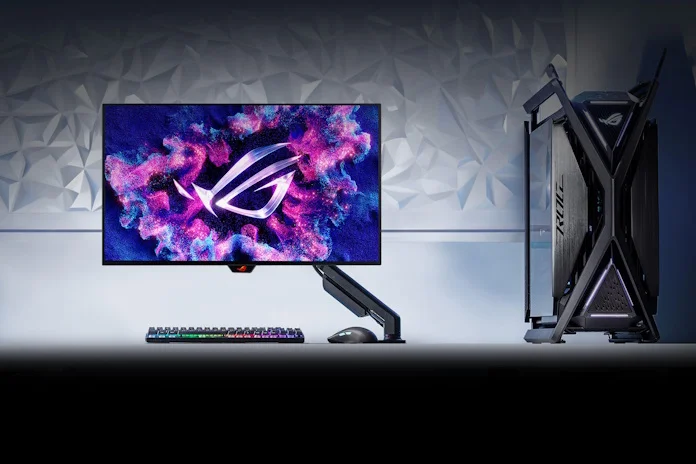
Navigating the world of display technology can feel like a complex journey, especially when faced with choices like 4K and 1440p resolutions. In an era where digital immersion is paramount, understanding the nuances between these two popular options is crucial for making an informed decision that aligns with your specific needs and budget. While a common adage in tech suggests "bigger is better," this isn't always the case when it comes to screen resolution. Factors like your hardware setup, primary use cases, and even viewing distance play a significant role in determining whether a higher pixel count genuinely translates to a superior experience.
For many, particularly in the PC gaming community, the debate around 4k vs 1440p for Gamers: Visuals or Performance Split? often divides enthusiasts into two distinct camps. Some champion the breathtaking detail and cinematic visual fidelity of 4K displays, while others lean towards the snappy performance, higher refresh rates, and practical advantages offered by 1440p. This article aims to cut through the confusion, highlighting the technical differences, practical implications, and key considerations to help you choose the display that’s just right for you.
Understanding Display Resolution: Pixels Make the Picture
Before diving into the specifics of 4K and 1440p, it's essential to grasp what resolution truly means. In simple terms, resolution refers to the number of individual pixels that make up a digital display. These tiny light-emitting dots combine to form the images you see. Resolution is typically expressed as a pair of numbers: the horizontal pixel count followed by the vertical pixel count (e.g., 1920x1080). A higher pixel count within a given screen area results in greater pixel density, leading to sharper images, finer details, and less visible "stair-stepping" on diagonal lines.
What is 1440p?
Also widely known as Quad High Definition (QHD) or Wide Quad High Definition (WQHD) for wider aspect ratios, 1440p refers to a display resolution of 2560 pixels horizontally by 1440 pixels vertically. This resolution boasts approximately 3.68 million pixels, which is four times the pixel count of standard 720p HD and a significant upgrade from 1080p (Full HD).
- Standard QHD: 2560x1440 pixels (16:9 aspect ratio)
- WQHD: 3440x1440 pixels (21:9 aspect ratio, offering a wider field of view)
1440p monitors are a popular choice for gamers and general users alike, offering a noticeable bump in clarity and desktop real estate over 1080p without the extreme hardware demands of 4K.
What is 4K?
The term 4K is broadly used to describe resolutions with approximately 4000 horizontal pixels. However, it primarily refers to two main standards:
- 4K UHD (Ultra High Definition): The most common standard for consumer displays, offering a resolution of 3840 pixels horizontally by 2160 pixels vertically. This translates to over 8.29 million pixels, which is precisely four times the pixel count of 1080p and more than double that of 1440p. This 16:9 aspect ratio is prevalent in modern TVs and PC monitors.
- DCI 4K (Digital Cinema Initiatives 4K): A slightly wider cinema standard with a resolution of 4096 pixels by 2160 pixels (approximately 8.84 million pixels). While mostly found in professional cinema projectors and content production, it's less common for consumer PC monitors.
The sheer number of pixels in a 4K display allows for incredibly sharp, detailed, and immersive visuals, making textures and fine elements appear with remarkable clarity.
4K vs 1440p: The Core Differences and Their Impact
The fundamental distinction between 4K and 1440p lies in their pixel count. With over 8 million pixels, 4K UHD packs roughly 2.25 times more pixels than 1440p's 3.68 million. This difference has profound implications across various aspects of your computing and viewing experience.
Visual Fidelity and Immersion
For users who prioritize visual detail above all else, 4K is often the clear winner. The significantly higher pixel density means:
- Sharper Images and Text: Text appears incredibly crisp, and images showcase finer details, making it ideal for graphic designers, photographers, and anyone working with high-resolution content.
- Enhanced Realism: In movies and games that support 4K, the level of detail can be truly stunning, offering a more immersive and lifelike experience.
- Future-Proofing: As more content becomes available in 4K and hardware capabilities improve, investing in a 4K display now can help future-proof your setup for years to come.
Performance Demands, Especially for Gaming
Here's where the "bigger isn't always better" adage truly comes into play. Driving over 8 million pixels requires substantial graphical processing power. For gamers, this means:
- Lower Frame Rates: To achieve playable frame rates in modern AAA games at 4K resolution, you'll need a top-tier graphics card (GPU). Mid-range GPUs that handle 1440p gaming with ease will struggle significantly at 4K, often requiring major compromises in graphical settings.
- Higher Hardware Costs: Not only are 4K monitors generally more expensive than their 1440p counterparts, but the cost of the high-end GPU required to drive them effectively is also considerably higher.
- Refresh Rate Trade-offs: While high refresh rate 4K monitors (120Hz or 144Hz) exist, they are premium products. Achieving those high frame rates at 4K resolution in demanding games is incredibly challenging, even with the best hardware. 1440p, on the other hand, makes high refresh rate gaming (144Hz, 165Hz, or even 240Hz) much more attainable and affordable, leading to smoother, more responsive gameplay.
If competitive gaming or consistently high frame rates are your priority, 1440p often strikes a better balance between visual quality and raw performance.
Monitor Size and Viewing Distance
The perceived difference between 4K and 1440p is highly dependent on your monitor's physical size and how far you sit from it. On smaller monitors (e.g., 24-25 inches), the pixel density of 1440p is already very high, and the jump to 4K might not be as immediately noticeable or impactful. However, on larger screens (32 inches and above), 4K truly shines, allowing you to appreciate the increased detail without straining your eyes. Similarly, if you sit further away from your monitor, the benefits of 4K may diminish.
Productivity and Screen Real Estate
For professional use, both resolutions offer advantages over 1080p. 1440p provides a generous amount of desktop space for multitasking, allowing you to comfortably open multiple windows side-by-side without feeling cramped. 4K, with its vast pixel canvas, offers even more room, which can be invaluable for video editing timelines, complex spreadsheets, or design work. However, effective use of 4K for productivity often requires adjusting display scaling in your operating system to ensure text and UI elements are readable, which can sometimes negate some of the "extra space" benefit.
Who Should Choose Which Resolution?
Ultimately, the "better" resolution depends entirely on your personal priorities, budget, and intended use. There's no one-size-fits-all answer, but here's a general guide:
Choose 4K if:
- You prioritize ultimate visual fidelity: You want the sharpest text, most detailed images, and most immersive cinematic experience possible.
- You're a content creator or professional: Graphic designers, video editors, photographers, and CAD users who need maximum screen real estate and pixel precision will benefit greatly.
- You have a high-end GPU: You own or plan to invest in one of the latest, most powerful graphics cards to drive demanding applications and games at high settings and acceptable frame rates.
- You prefer larger monitors: The benefits of 4K are most apparent on displays 32 inches and larger.
- Your budget allows for it: Both the monitor and the supporting hardware are typically more expensive.
Choose 1440p if:
- You're a competitive gamer: You prioritize high frame rates, smooth gameplay, and responsive input over raw pixel count. 1440p offers an excellent balance of visual quality and performance.
- You have a mid-range to high-end GPU: Your graphics card can comfortably push high frame rates at 1440p without breaking the bank.
- You're budget-conscious: 1440p monitors are generally more affordable, as is the hardware required to run them effectively.
- You want a significant upgrade from 1080p: 1440p provides a noticeable improvement in sharpness and desktop space without the extreme demands of 4K.
- You value high refresh rates: High refresh rate 1440p monitors are more accessible and easier to drive at their maximum refresh rates.
Conclusion
The choice between a 4K and a 1440p display boils down to a thoughtful assessment of your personal computing habits, professional requirements, and of course, your budget. While 4K offers an unparalleled visual experience with its astounding pixel count, it comes with a higher price tag and demanding hardware requirements, especially for gaming. 1440p, on the other hand, strikes a fantastic balance, delivering a significant upgrade in clarity and desktop space over 1080p, while remaining much more accessible for high-performance gaming and general use.
Consider your primary activities: are you creating detailed visual content, or are you primarily focused on fast-paced competitive gaming? Do you have the GPU power to drive a 4K display effectively, or would you prefer smoother performance with a 1440p monitor? By understanding the underlying technical aspects and the real-world implications of each resolution, as explored in 1440p vs 4K Explained: Pixels, Sharpness, and Display Tech, you can confidently select the display that will best enhance your digital experience for years to come.